


Case Study
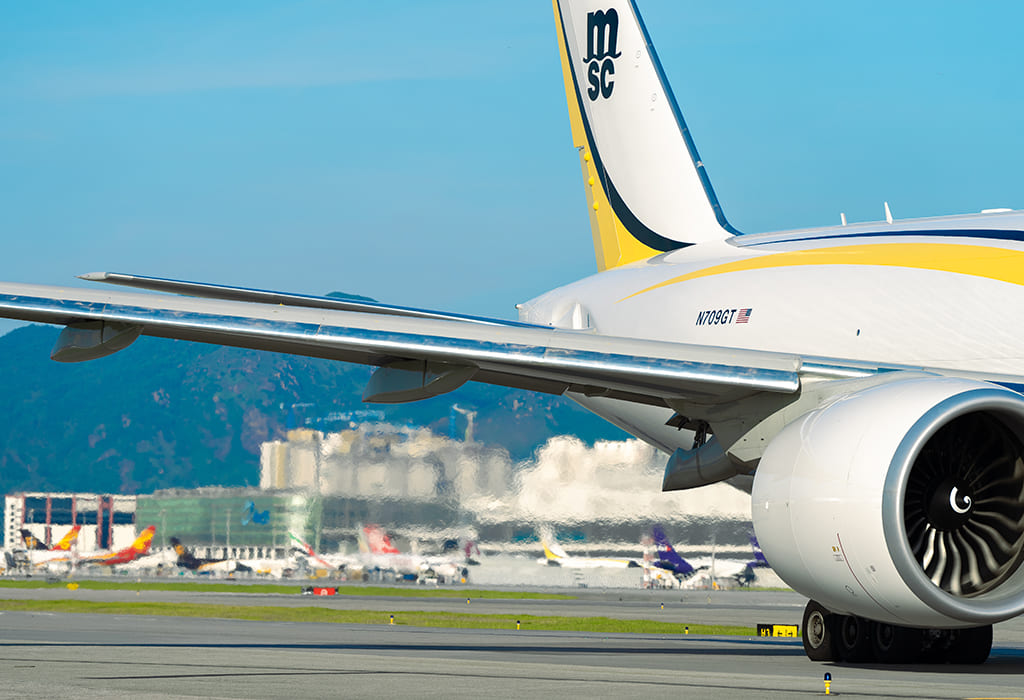
AAHK is committed to reducing air and carbon emissions that are under our direct control (e.g., emissions related to the AAHK's vehicles) and facilitating emissions reduction of airport business partners and aircraft at parking stands. Aircraft parked at stands typically rely on Auxiliary Power Units (APUs)—small engines located at the rear of aircraft—to supply electrical power and air conditioning when their main engines are turned off. However, APUs burn jet fuel, leading to emissions that contribute to air pollution and carbon output. Recognizing the environmental impact, AAHK introduced a policy to curb APU usage at frontal stands.
AAHK is committed to reducing air and carbon emissions that are under our direct control (e.g., emissions related to the AAHK's vehicles) and facilitating emissions reduction of airport business partners and aircraft at parking stands. Aircraft parked at stands typically rely on Auxiliary Power Units (APUs)—small engines located at the rear of aircraft—to supply electrical power and air conditioning when their main engines are turned off. However, APUs burn jet fuel, leading to emissions that contribute to air pollution and carbon output. Recognizing the environmental impact, AAHK introduced a policy to curb APU usage at frontal stands.
APU Ban
In December 2014, AAHK implemented a ban on APUs at frontal stands to reduce emissions. Prior to establishing the APU-Ban Policy, AAHK worked closely with business partners to conduct trials for airport community members before the implementation, allowing airlines and ground personnel to adjust their procedures accordingly.
Implementation
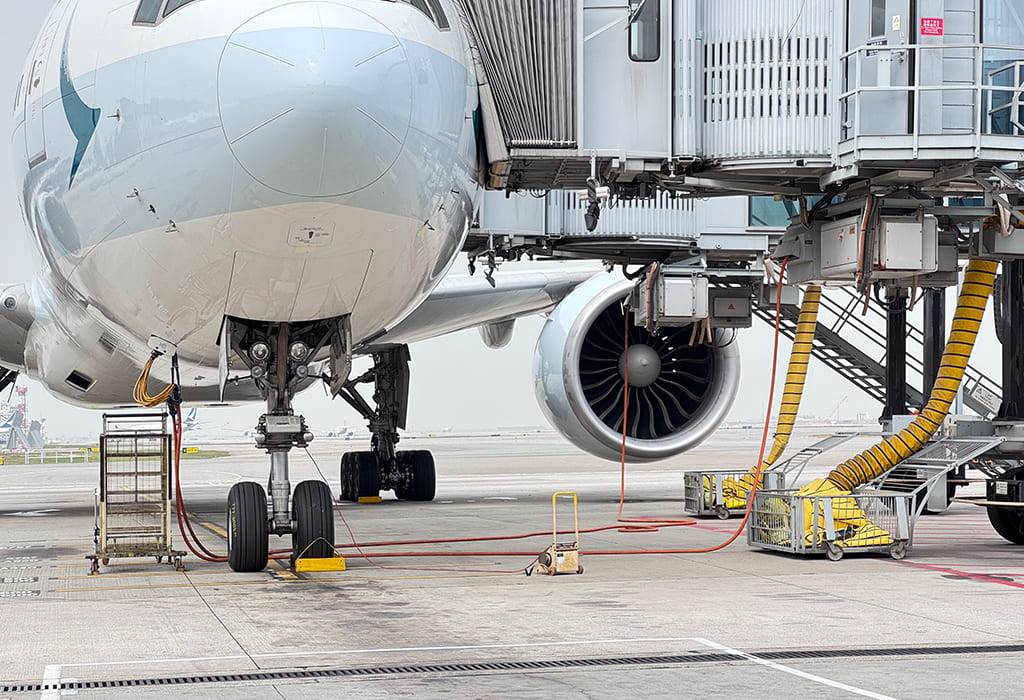
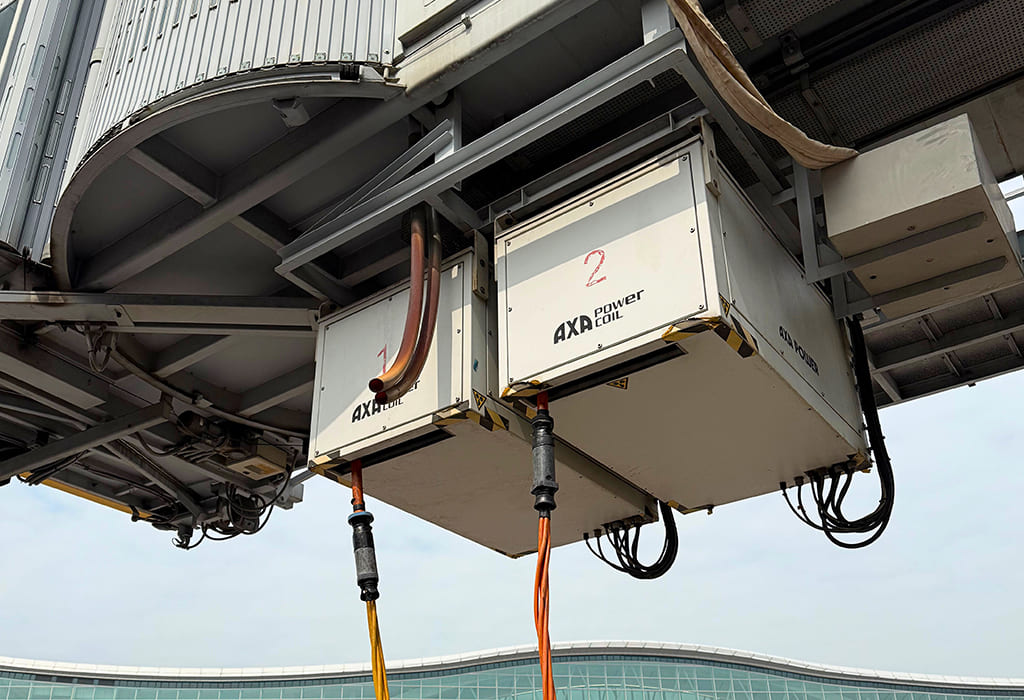
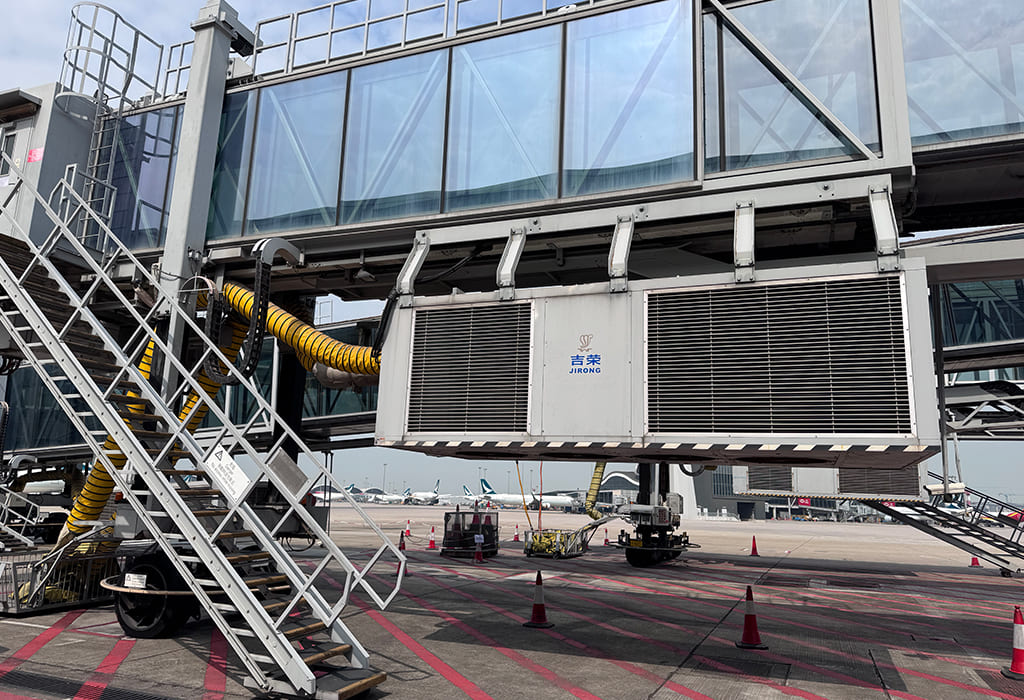
To ensure a seamless transition and maintain operational efficiency, AAHK installed approximately 700 units each of Fixed Ground Power (FGP) and Pre-Conditioned Air (PCA) systems across the airport. FGP systems provide a stable electrical supply to parked aircrafts, and PCA systems deliver cooled air to the aircraft cabin, maintaining a safe and comfortable environment for passengers, crew and ground staff without relying on the aircraft’s own fuel-burning systems. Together, these systems provide aircraft with the necessary electrical power and cabin cooling while stationed at the airport, eliminating the need for APU reliance, and reducing fuel consumption, emissions and noise pollution.
Results
The APU ban led to a significant reduction in emissions at Hong Kong International Airport, aligning with AAHK's broader sustainability goals. By replacing APU operations with FGP and PCA systems, the airport effectively minimized its carbon footprint and air emissions while maintaining high service standards for airlines and passengers. The successful implementation of this policy demonstrated how infrastructure investment and collaborative planning can drive meaningful decarbonisation.