


Case Study
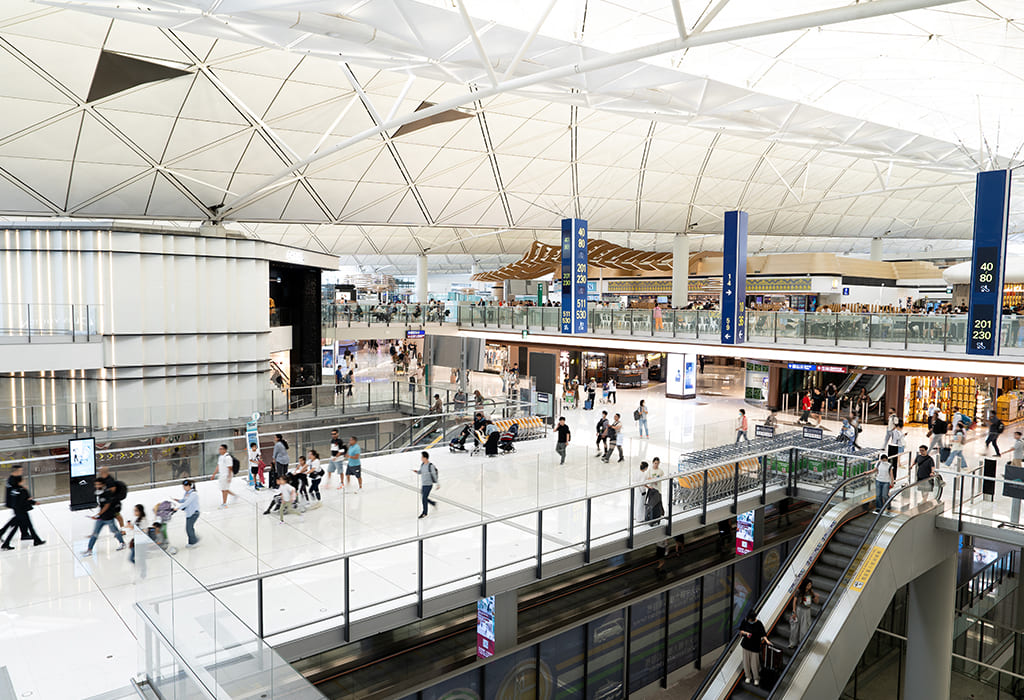
The HKSAR Government has developed a clear strategy to manage municipal solid waste (MSW) in its Waste Blueprint for Hong Kong 2035, aiming to promote the adoption of a circular economy and reduce the reliance on landfilling for waste disposal. Supporting this strategy at HKIA involves dealing with waste from various sources, including shops, restaurants, airline lounges, offices and aircraft servicing. Some of this is generated from activities under AAHK’s direct control, but much of it is generated by other airport business partners.
The HKSAR Government has developed a clear strategy to manage municipal solid waste (MSW) in its Waste Blueprint for Hong Kong 2035, aiming to promote the adoption of a circular economy and reduce the reliance on landfilling for waste disposal. Supporting this strategy at HKIA involves dealing with waste from various sources, including shops, restaurants, airline lounges, offices and aircraft servicing. Some of this is generated from activities under AAHK’s direct control, but much of it is generated by other airport business partners.
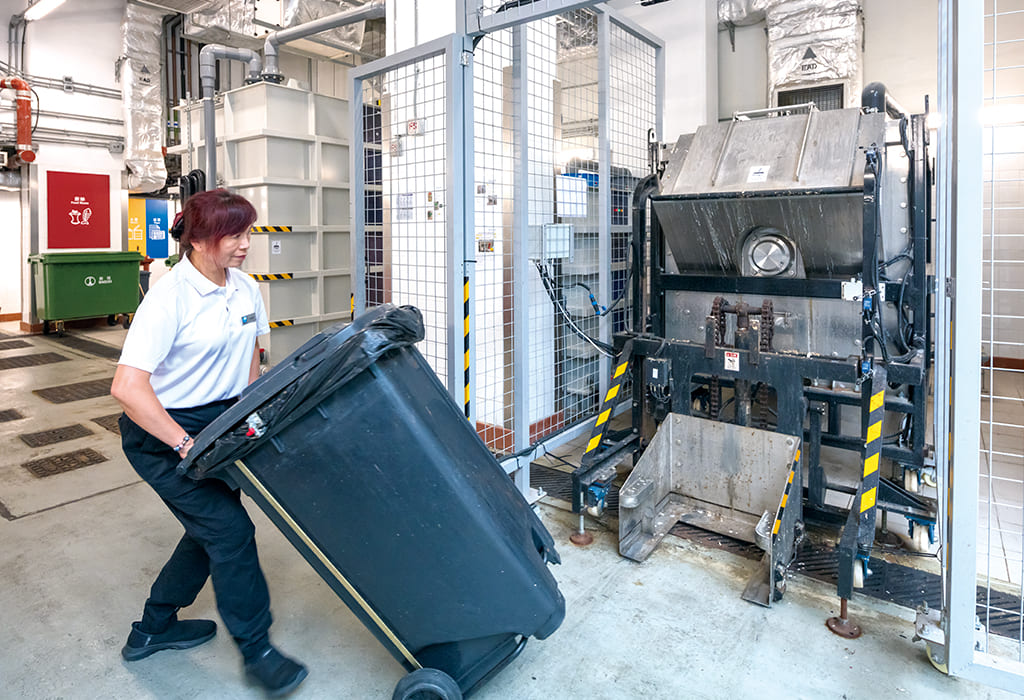
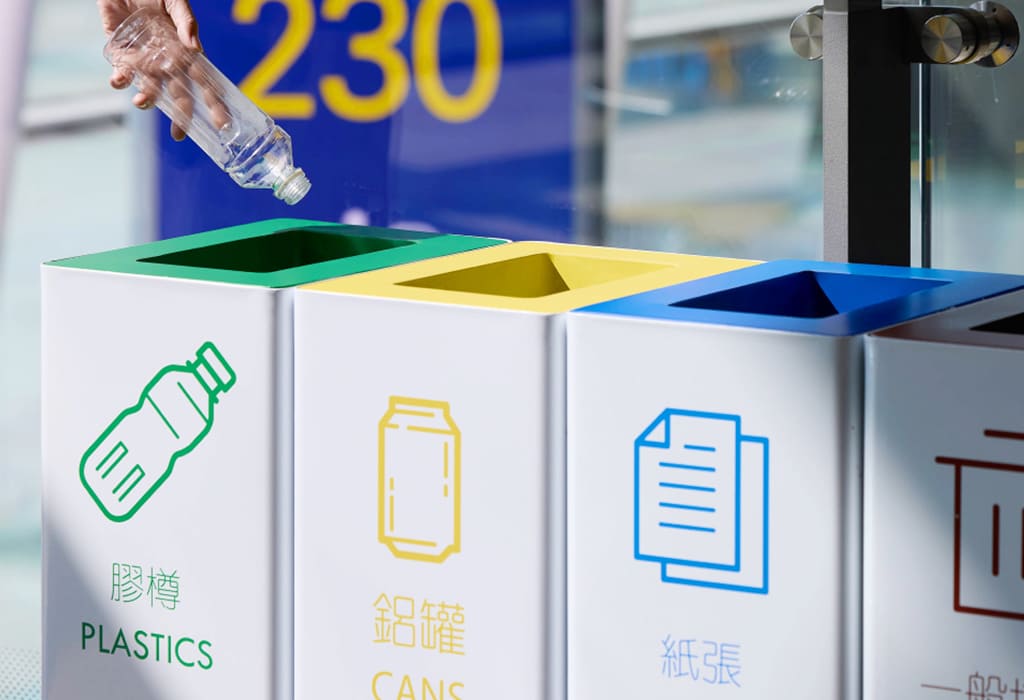
As the airport operator, AAHK is responsible for handling both our own and business partners’ waste at HKIA. Therefore, we focus on supporting waste producers to drive upstream waste reduction and separation, enabling recyclables to be captured at source, thereby reducing the airport’s collective waste footprint.
In 2021, AAHK set a 2025 target to increase AAHK’s recyclables recovery rate by 25%, compared to a 2018 baseline. Since almost half of the waste handled at HKIA has no recycling value, this target specifically focuses on waste materials that can be reprocessed by the recycling industry into resources that have a market value. This reflects a number of factors, including the Government’s strategy of developing a circular economy, and planned new waste-to-resources and waste-to-energy infrastructure in Hong Kong.
We continue to adopt a multi-pronged approach to waste reduction:
For further information on the waste management initiatives, please refer to our Corporate Website.